

Community Health Case Study
Appalachian Center for Hope
Transforming a vacant building into recovery for Southwest Virginia.
- Location Marion, VA
-
Total Financing
$8 million NMTC Allocation
$1.5 million bridge loan - Purpose Renovation & Construction of vacant medical building into recovery center
- Partners Appalachian Center for Hope, Inc.
-
Impacts
58 dedicated beds for people in recovery
~170 patients served annually
60 jobs created
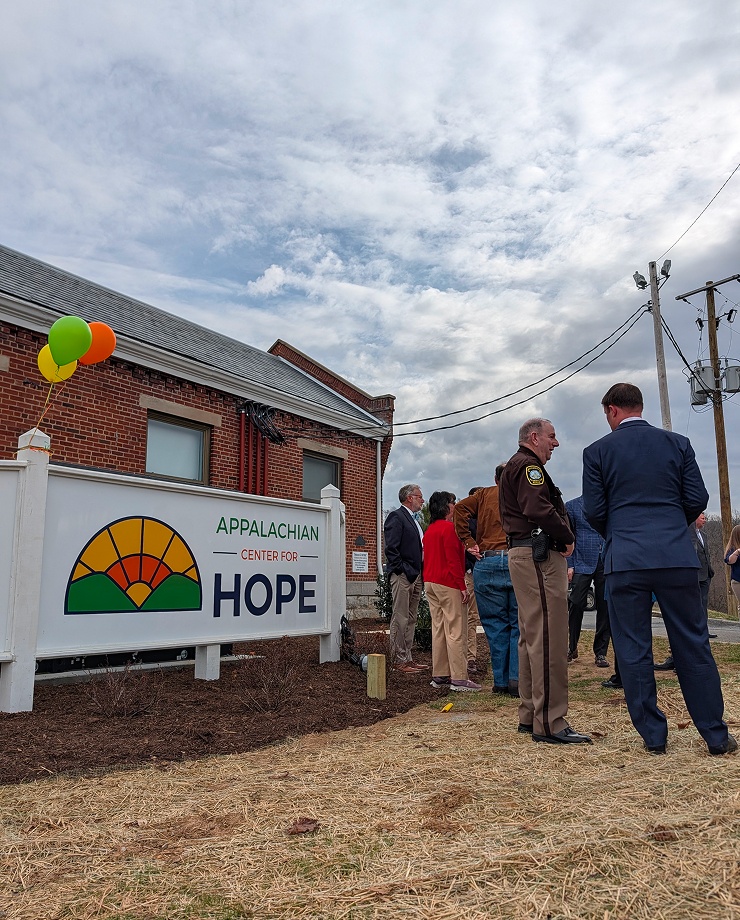
Nestled in Marion, Virginia, a former medical building once left vacant is being reimagined as the Appalachian Center for Hope, a residential substance abuse recovery center serving Southwest Virginia. The project emerged from a community needs assessment that identified substance use disorder as a persistent and urgent challenge in the region. In response, leaders from nonprofit organizations, healthcare, education, and local government came together to determine a solution.
At the heart of the initiative is a shared commitment to expanding access to recovery services in an area with limited treatment capacity. The center opened in early 2026 and provides 58 beds for residential treatment, supporting individuals at critical stages in their recovery journeys. The facility is expected to serve approximately 170 individuals annually, addressing a significant gap in care while offering a stable, community-based environment for healing.
Leadership and local advocacy have been central to moving the project forward. The effort is led by John Graham, a longtime member of the Southwest Virginia community and a dedicated advocate for substance abuse treatment. His vision and persistence, paired with Locus’s financial support, helped transform the concept into a viable, community-driven project.
Strategic financing played a key role in bringing the center to life. The project was made possible through an $8 million New Markets Tax Credit (NMTC) allocation, which provided critical capital to support the development of this community health facility in an underserved region. Complementing the NMTC structure, Locus deployed a $1.5 million Historic Tax Credit (HTC) bridge loan to support the renovation of the former medical building — preserving a longstanding community asset while adapting it to meet modern treatment needs.
The Appalachian Center for Hope represents a meaningful investment in public health and regional resilience through combining community leadership, mission-aligned financing, and adaptive reuse of a historic structure. The project stands as an example of how coordinated partnerships can turn abandoned infrastructure into a source of recovery, stability, and renewed opportunity for individuals and families across Southwest Virginia.