

Housing Case Study
Greenway Village
How a faith-based partnership turned vacant church lot into lasting affordable homes.
- Location Richmond, Virginia
- Total Financing $12 million
- Purpose Construction financing
- Partners Commonwealth Catholic Charities, Saint Elizabeth Catholic Church, VCDC
-
Impacts
56 new rental housing units
Long term affordability
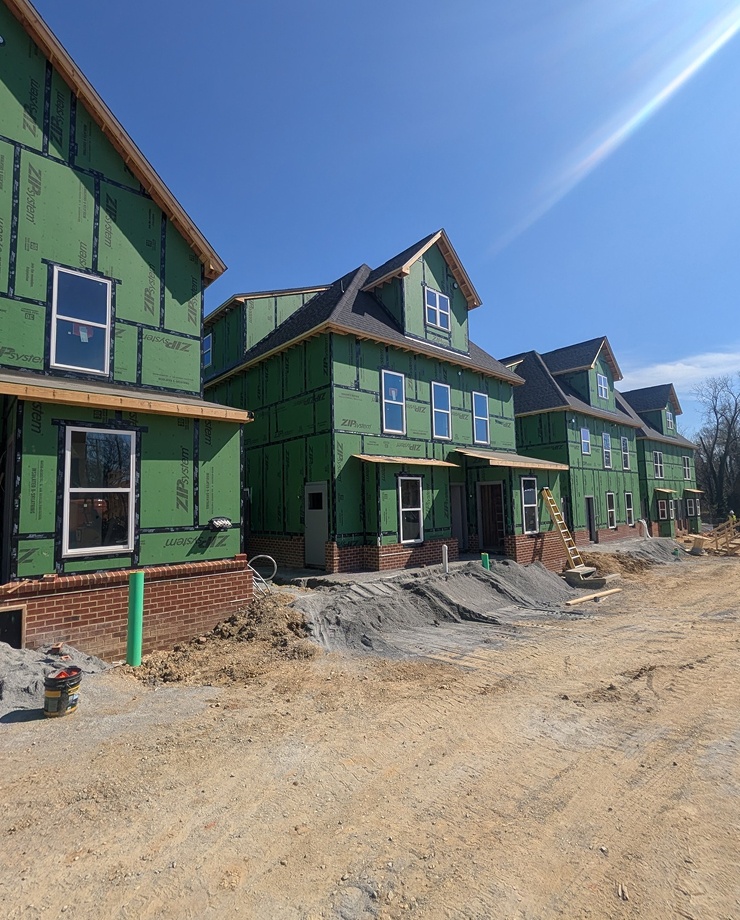
Greenway Village is a clear example of how underutilized land can be transformed into lasting community benefit. In Richmond’s Northside, the project is converting property owned by St. Elizabeth Catholic Church that had sat vacant for decades into 56 new affordable homes.
The development is led by Commonwealth Catholic Charities, which worked closely with the church to bring the vision forward. Together, they reimagined the site as a village-style neighborhood, with smaller-scale buildings designed to reflect the look and feel of the surrounding community. Rather than a single large complex, the project is intentionally integrated into the neighborhood to expand housing opportunities while maintaining the area’s character.
Locus supported the project with a $12 million construction loan, providing the capital needed to move from planning into construction. Virginia Community Development Corporation also provided critical capital, reflecting a broader partnership across mission-driven lenders. This phase of financing is often one of the most challenging to secure, particularly for nonprofit developers navigating complex capital stacks, and it requires lenders that understand both the structure and the purpose behind the work.
A key feature of Greenway Village is its long-term approach to affordability. The land is being provided through a 99-year ground lease, helping ensure the property remains a community asset for generations and is protected from future market pressures. Combined with Low-Income Housing Tax Credit financing, this structure supports affordability well beyond initial lease-up.
When complete, Greenway Village will serve households earning between 40% and 60% of area median income, offering stable, quality housing that supports long-term neighborhood stability and a place for families to put down roots. This new community of homes will welcome residents in summer 2026.
Projects like this highlight a model that continues to work: faith-based institutions, nonprofit developers, and CDFIs aligning their resources to create and preserve affordable housing that lasts.